Civil War and Intervention

How domestic conflicts become international problems.

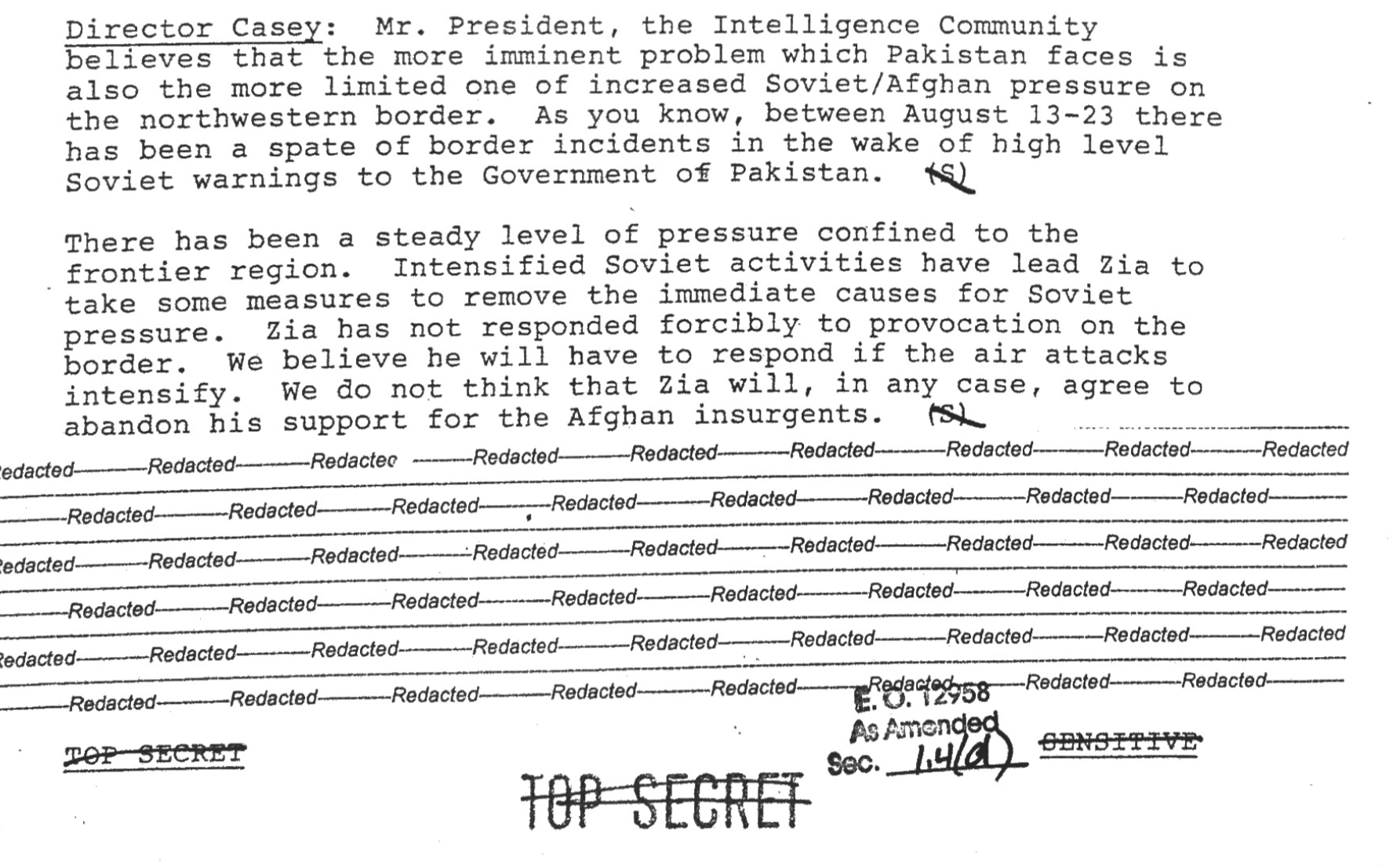
My dissertation and related work examine when civil wars attract outside support, when governments retaliate against external rebel supporters, and how intervention can expand the scope of domestic conflict. This research combines formal theory, original data collection, archival research, and statistical analysis.

Intervention, war expansion, and the international sources of civil war

Published in Conflict Management and Peace Science. The article analyzes civil war onset, rebel-sided intervention, and interstate retaliation using a formal model of asymmetric information.

Intervention at your own peril

Working paper introducing the Civil War Expansion Dataset, which captures retaliation by civil war governments against external rebel supporters across all civil wars with rebel-sided intervention from 1975 to 2009. The dataset records direct retaliation, proxy retaliation, threats, and other forms of war expansion.

International competition and the domestic political drivers of civil war intervention

Ongoing project using predictive models to study third-party intervention into civil wars, including government-sided intervention, rebel-sided intervention, and non- intervention across a civil war-potential intervener dataset.

Cybersecurity and Conflict

Cyber operations, coercion, and regional security

For years, I have been interested in the strategic and political dimensions of cybersecurity, particularly as it pertains to international conflict. This work asks how cyber capabilities affect coercion, crisis behavior, regional security, and the relationship between technology and political order.

Stability and international crisis behavior: the effect of cyber operations

Co-authored with Benjamin Jensen, Patrick James, and Brandon Valeriano. This project combines cyber incident data with the Interstate Crisis Behavior dataset to examine crisis onset and post-crisis relations between states.

Articulating cyber regionalism

Co-authored with Miguel Gomez and Brandon Valeriano. The paper argues that regional analysis is necessary for understanding cyber vulnerability, capacity, and interests.

Mutually assured vulnerability

This working paper develops an ecological approach to cyber power and coercion, treating cyberspace as an environment whose structure shapes strategic possibilities.

Competing academic approaches to cyber security

Book chapter in Conflict in Cyber Space. The chapter reviews competing ways of studying cybersecurity and conflict as an academic research field.

Cybersecurity capacity building

NUPI report on technological and political challenges facing emerging economies as information and communications technology spreads, with attention to the risks and limits of external assistance.
Political Risk and Resource Politics

Institutions, resource shocks, and instability.

A related line of research examines how resource wealth and political institutions shape incentives for elite conflict, instability, and coup behavior.

Oil discovery, oil production, and coups d'etat

Co-authored with Curtis M. Bell and Scott Wolford and published in International Interactions. The article examines how newly discovered and realized oil wealth affect coup attempts and outcomes.